The evolution of casinos A journey through history and culture
The Origins of Gambling and Early Casinos
The concept of gambling can be traced back thousands of years, with evidence of games of chance appearing in ancient civilizations such as China, Egypt, and Rome. Archaeologists have found artifacts like dice and betting tokens that suggest a deep-rooted cultural fascination with games of luck. In these early societies, gambling often served as a form of entertainment during festivals and gatherings, reflecting the social dynamics of the time. Furthermore, many players now seek out pokies with payid for a more convenient gaming experience.

As societies evolved, so did the structures that housed these gambling activities. The first formal casinos emerged in Italy during the Renaissance period. The term “casino” itself derives from the Italian word for “little house.” These establishments were not just places for gambling but also hosted social events, music, and dancing, allowing patrons to enjoy a comprehensive entertainment experience. This fusion of leisure and gambling marked a significant step in the evolution of modern casinos.
By the 17th century, gambling had spread throughout Europe, particularly in France and England, where the aristocracy played a crucial role in popularizing the pastime. This period saw the establishment of gambling houses, which operated under strict regulations. The emergence of games like roulette and blackjack during this time laid the foundation for the games we know today. Casinos began to adopt a more organized structure, combining both luxury and leisure.
The Golden Age of Gambling in Europe
The 18th and 19th centuries marked the golden age of gambling in Europe, particularly with the rise of iconic establishments like the Casino de Spa in Belgium and the Monte Carlo Casino in Monaco. These venues epitomized opulence and luxury, drawing in the elite from around the continent. The ambiance was designed to enchant and captivate, with lavish decor and fine dining experiences complementing the thrill of gambling.
During this era, the role of casinos expanded beyond mere gambling. They became cultural hubs, facilitating social interactions among the wealthy and influential. The gambling houses offered a sense of exclusivity and prestige, drawing in patrons eager to showcase their wealth. This period also witnessed the formalization of various gambling games, with standardized rules and regulations, enhancing fairness and attracting more players.
The allure of European casinos sparked a wave of interest in gambling across the Atlantic, leading to the establishment of casinos in the United States during the early 19th century. The cultural exchange between Europe and America influenced the design and operation of these new establishments, laying the groundwork for the American gambling landscape. The birth of Las Vegas and Atlantic City as gambling meccas would soon follow, reshaping the industry further.
The Rise of Casinos in America
The development of casinos in the United States began in the early 1800s, with saloons and gambling dens cropping up in the expanding West. These establishments were often unregulated and catered to adventurous spirits looking for a thrill. However, the real turning point came with the advent of organized gambling in the early 20th century, particularly in Nevada. Las Vegas emerged as a destination for entertainment and gambling, attracting millions of visitors each year.
The legalization of gambling in Nevada in 1931 marked a significant milestone for the casino industry. Las Vegas transformed into a bustling metropolis of lights and excitement, drawing in tourists from across the globe. This shift was not just about gambling; it encompassed a broader cultural phenomenon that integrated dining, entertainment, and luxury accommodations, making it a unique tourist destination.
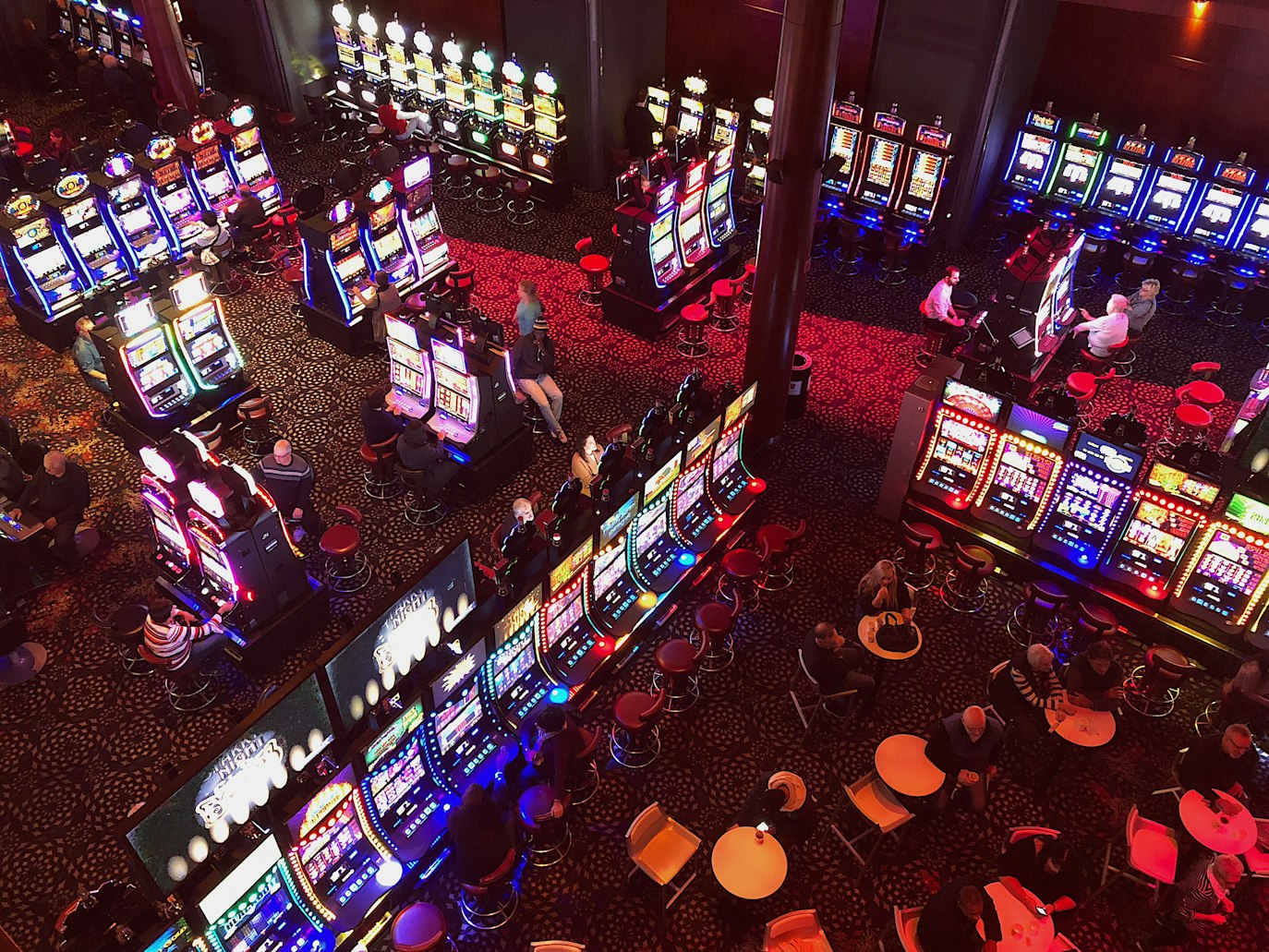
As the years progressed, the casino landscape continued to evolve. The introduction of new gaming technologies and innovations, such as slot machines and electronic table games, captured the attention of a broader audience. The 1980s and 1990s saw an explosion of casinos across the U.S., particularly in states like New Jersey and Mississippi, where regulations allowed for the growth of the industry. This era redefined what casinos could offer, merging gaming with entertainment and hospitality.
The Global Expansion and Modernization of Casinos
The late 20th and early 21st centuries witnessed a significant globalization of the casino industry. Countries around the world began to recognize the potential economic benefits of legalized gambling. Nations like Macau and Singapore emerged as gambling giants, rivaling Las Vegas in terms of revenue and visitor numbers. This expansion facilitated the sharing of cultural practices and gaming styles, enriching the global casino landscape.
Modern casinos have evolved into multifaceted entertainment complexes that offer more than just gambling. Today, they often feature shopping centers, world-class restaurants, luxurious hotels, and live entertainment. The focus has shifted to creating an all-encompassing experience for visitors, where gambling is just one aspect of a broader entertainment offering. This change has allowed casinos to appeal to a wider demographic, including families and international tourists.
Technological advancements have further transformed the casino experience. The rise of online gaming has introduced a new dimension to gambling, allowing players to engage in their favorite games from the comfort of their homes. Mobile gaming applications have made it easier than ever for users to participate in casino activities, further broadening the audience. The integration of virtual reality and augmented reality technologies promises to enhance the gaming experience even further, ushering in a new era for casinos.
Exploring Online Casinos and Future Trends
The advent of the internet has revolutionized the gambling industry, bringing forth the rise of online casinos. These platforms offer users a convenient way to access a variety of games, including slots, poker, and table games, all from their personal devices. The online casino experience has democratized gambling, providing opportunities for those who may not have access to physical casinos, allowing for a more extensive reach.
As technology continues to advance, online casinos are likely to integrate more sophisticated features, including live dealer games that replicate the authentic casino experience in real-time. These innovations aim to bridge the gap between online and traditional casinos, offering players the best of both worlds. Additionally, the use of cryptocurrencies is becoming more prevalent in online gambling, enabling faster transactions and enhanced security.
The future of casinos, whether online or offline, will be shaped by evolving regulations, advancements in technology, and shifting consumer preferences. As society continues to embrace digital solutions, the casino industry will need to adapt and innovate to remain relevant. Understanding the cultural context and historical significance of casinos will be essential in navigating this ever-changing landscape.