The Nature of Luck in Gambling
Luck plays a quintessential role in gambling, often determining the outcomes of games where chance is the primary factor. From slot machines to roulette, players rely on randomness to dictate their wins and losses. Luck is an unpredictable force; it can change with a flip of a card or a roll of the dice, embodying the thrill that draws many into these activities, especially when they engage with an instant withdrawal casino that enhances the overall experience. Understanding luck is essential, as it creates the excitement and anticipation that are hallmark traits of the gambling experience.
Moreover, luck can manifest differently across various gambling formats. In games like poker, while there is an element of chance involved, players also rely on their ability to read opponents and make informed decisions. In contrast, a game like slots is entirely reliant on luck, as the outcome is determined purely by random number generators. This dichotomy illustrates how the impact of luck can vary significantly depending on the type of gambling involved, shaping players’ experiences and strategies.
The perception of luck is also influenced by psychological factors. Gamblers often attribute their wins to skill and their losses to external forces, creating a cognitive bias. This can lead to what is known as the ‘gambler’s fallacy,’ where individuals believe that previous outcomes will affect future results. Such misconceptions can further amplify the desire to play, as players chase the elusive notion of luck, unaware of the statistical realities that govern their choices and the outcomes that follow.
The Role of Skill in Gambling
In contrast to luck, skill represents a critical aspect of many gambling games, especially those that require strategic thinking and decision-making. Skill-based games, such as poker and blackjack, allow players to influence the outcome through knowledge and experience. A skilled poker player can bluff effectively, read their opponents’ behaviors, and make calculated bets, thereby increasing their chances of winning. In this way, skill can often outweigh the randomness of luck, providing a more stable pathway to success.
Furthermore, skill in gambling encompasses understanding the rules, odds, and strategies of the games. For instance, players who master basic strategy in blackjack can significantly reduce the house edge and improve their long-term results. This level of understanding showcases the blend of analytical thinking and emotional control that skilled players must maintain to succeed. Hence, while luck may offer immediate gratification, skill lays the foundation for consistent gambling success.
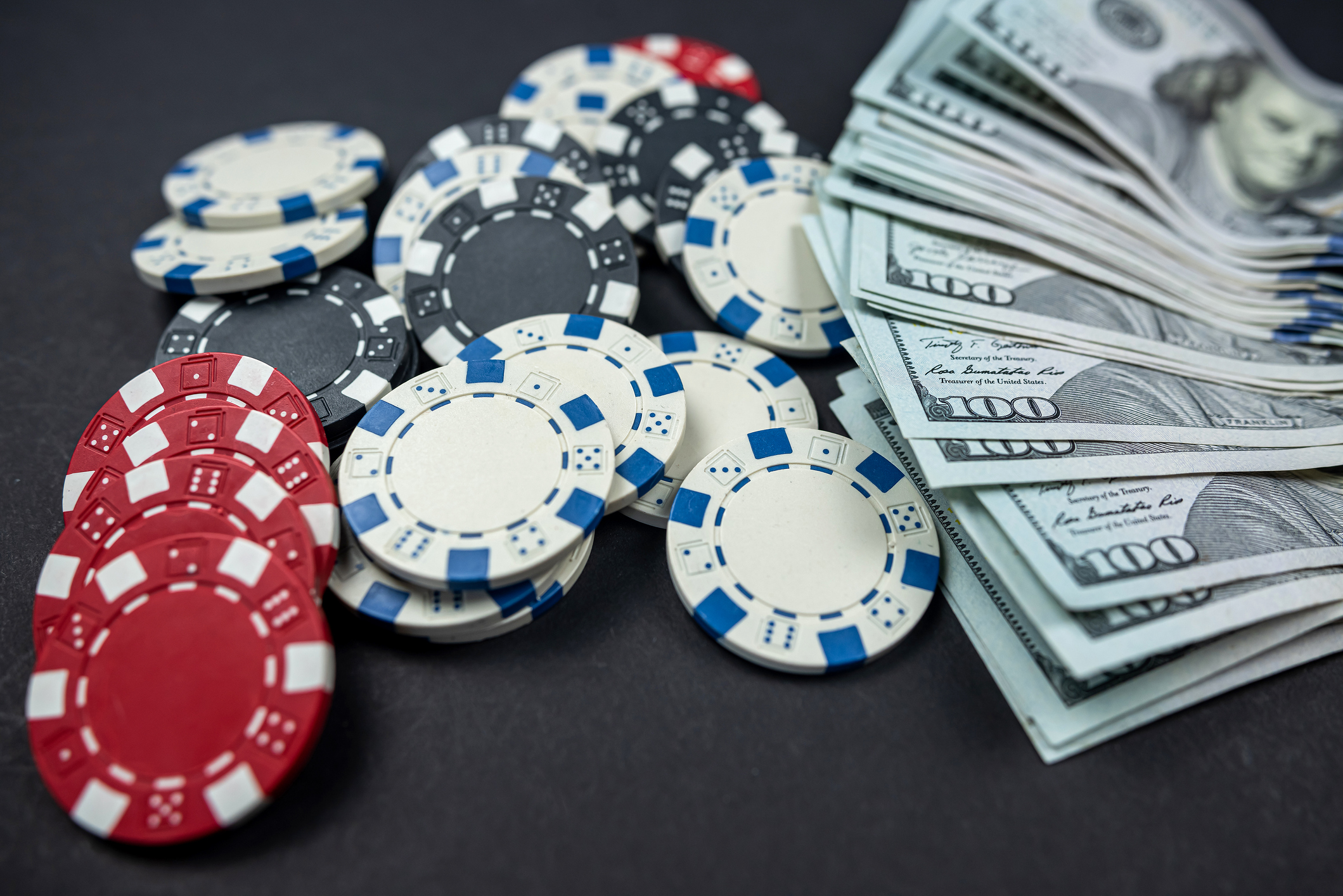
The interplay of skill and luck also cultivates a competitive environment among players. Tournaments and professional gaming events often highlight how skill can create a playing field where experienced gamblers can thrive. These competitions not only showcase individual talents but also reinforce the idea that while luck can influence single moments, skill can lead to enduring success over time, reshaping how players approach their gambling strategies.
The Balance Between Luck and Skill
Understanding the balance between luck and skill is crucial for responsible gambling. Many players enter gambling with the misconception that they can solely rely on skill to achieve success, leading to potential financial pitfalls. The reality is that even the most skilled players will encounter bad luck, which can disrupt their strategies and lead to losses. Recognizing this balance encourages players to adopt a more holistic approach, mixing skill development with an appreciation for the role of luck.
In many scenarios, the best gamblers are those who can manage the effects of both luck and skill. They develop strategies that capitalize on their strengths while remaining adaptable to the unpredictability that luck introduces. For instance, a skilled player may choose to adjust their betting patterns based on their current luck streak, demonstrating the need for flexibility and a keen awareness of situational dynamics. This adaptive approach often separates successful gamblers from those who gamble recklessly.
Ultimately, the relationship between luck and skill is emblematic of the broader gambling landscape. It serves as a reminder that while luck may play a significant role in short-term outcomes, skill enables long-term engagement in the gambling world. This understanding helps foster a more sustainable gambling culture where players can enjoy the excitement of chance while also appreciating the value of skill and preparation.
The Psychological Impact of Luck and Skill
The psychological factors influencing luck and skill in gambling cannot be overlooked. Gamblers often experience a rollercoaster of emotions that can affect their decision-making. The impact of a lucky win can lead to euphoric highs, while a string of bad luck can result in frustration and desperation. This emotional variability can cloud judgment, resulting in decisions driven more by impulse than strategic thinking. Understanding these psychological aspects is vital for gamblers who wish to maintain control over their betting activities.

Additionally, the psychological impact extends to the development of gambling habits. Gamblers frequently fall into patterns of believing they can influence outcomes through skill, even in chance-based games. This mindset can lead to overconfidence, prompting players to wager larger amounts, believing their skills will overcome any adverse luck. Awareness and education about luck and skill dynamics can help mitigate these risks and promote a healthier gambling perspective.
Moreover, self-awareness about one’s responses to luck and skill can significantly enhance a gambler’s ability to play responsibly. By recognizing when emotions drive their decisions, players can practice self-regulation techniques, such as setting limits on their playtime and finances. This way, they can enjoy the thrill of gambling without succumbing to the pitfalls often associated with the gambling mindset, making their experiences more enjoyable and sustainable in the long run.
Exploring More About Gambling
The conversation surrounding luck versus skill in gambling is extensive and multifaceted. For those interested in delving deeper into this subject, there are numerous resources available that examine strategies, psychological insights, and the mathematical principles behind different gambling games. Websites dedicated to gambling education can provide players with valuable tools and knowledge, enabling them to navigate the complex interplay of luck and skill more effectively.
Many platforms offer articles, guides, and forums where players can share experiences and insights about their gambling journeys. Engaging with this community can help individuals cultivate their skills while also understanding the role of luck in their gameplay. By sharing strategies and discussing outcomes, players can find support and learn from others, enhancing their overall gambling experience.
Ultimately, exploring the intricacies of gambling offers a richer understanding of this popular pastime. As players seek to balance their reliance on luck with the development of skill, they can create a more enjoyable and responsible gambling journey. Engaging with informative resources can guide individuals on this path, ensuring that they approach gambling as an informed and strategic endeavor.